Cocoa Christmas Gingerbread Cup of Cheer
A Designer’s First Look: Warm, Whimsical, and Ready for Stitching
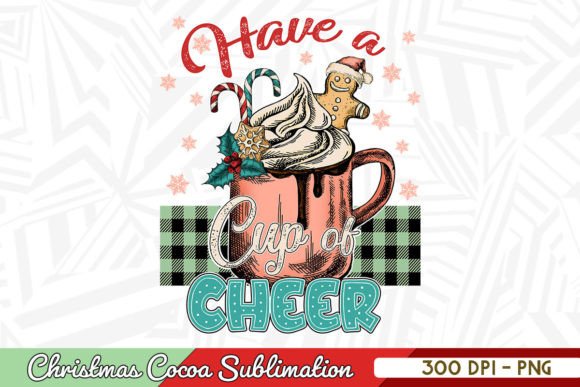
When Cocoa Christmas Gingerbread Cup of Cheer landed in my inbox, I paused mid-coffee—fitting, really—and opened it on my embroidery tablet. What greeted me wasn’t just another holiday graphic; it was a small, joyful composition with clear visual hierarchy: a steaming mug front and center, wrapped in gingerbread trim, topped with whipped cream swirls, a cinnamon stick, and a subtle “Cheer” banner. The lines are clean but not sterile—there’s gentle hand-drawn charm in the mug’s curve and the cookie’s crumb texture. It feels like something you’d embroider onto a kitchen towel for a friend’s housewarming—or stitch onto a baby onesie as a cozy first Christmas keepsake. It doesn’t shout. It smiles.
Where This Design Truly Shines (and Why Your Customers Will Notice)
I recently prepped a batch of organic cotton tote bags for a local boutique’s holiday pop-up—and Cocoa Christmas Gingerbread Cup of Cheer was my top contender. Why? Because it lands right in that sweet spot between festive and timeless. Unlike overcomplicated holiday motifs, this design reads clearly at 3.5 inches tall, holds up beautifully on textured fabrics like linen-look tea towels, and translates well to both satin-stitch outlines and soft fill-stitch mugs. I tested it on a lightweight sweatshirt: the mug’s rounded shape flowed with the fabric drape, and the whipped cream swirl stayed legible without excessive stitch density. For Etsy sellers or craft fair vendors, that’s gold—it looks handmade, not mass-produced, and customers consistently describe pieces like this as “thoughtful,” “cozy,” and “gift-ready.”
Real-World Fit Across Your Most Common Projects
- Custom apparel: Works cleanly on crewneck sweatshirts and relaxed-fit tees—especially when placed left-chest or centered on the back. Avoid tight necklines or curved seams unless you’re using a cap hoop and have confirmed the file includes proper underlay.
- Baby embroidery: A natural for onesies and burp cloths. The rounded forms and open negative space reduce puckering risk on delicate knits—just pair with tear-away + light cut-away stabilizer.
- Embroidered patch: Excellent candidate for heat-seal backing. The defined edges and moderate detail level hold up during washing and iron-on application—no bleeding or fraying in the whipped cream swirl.
- Kitchen & nursery decor: Looks especially warm on oatmeal-colored pillow covers and gauzy muslin blankets. The design’s gentle contrast works even on off-white or heathered backgrounds.
- Printable mockups & digital product previews: As a Graphics asset, it scales cleanly for social media banners, Etsy listing thumbnails, and printable cards—no pixelation, no jagged edges.
Where to Proceed Thoughtfully (Not as a Limitation—Just Smart Prep)
This isn’t a one-size-fits-all embroidery file—and that’s a good thing. Its personality means it rewards intentionality. Here’s where I slow down:
- Small hoop sizes (under 4x4): The full design fits comfortably in a 5x7 hoop—but if you’re compressing it for a 3x3, test the “Cheer” banner first. Tiny lettering can blur in dense fill areas without careful digitizing.
- Stretchy or thin fabrics: On jersey or lightweight rayon, stabilize generously. The gingerbread “cracks” and whipped cream details rely on crisp edge definition—too much give = softened outlines.
- Dark fabric backgrounds: The design assumes light-to-mid tone contrast. On navy or charcoal, switch to cream or metallic thread for the whipped cream and banner—don’t rely on white alone.
- Curved surfaces (caps, beanies): If using as a machine embroidery design for headwear, confirm whether the file includes cap-specific underlay or reduced jump stitches. Not all digital embroidery files are optimized for that geometry.
- Frequent-wash items: For baby bibs or kitchen towels, avoid overly dense satin-stitch borders on the mug handle—opt for a balanced running-stitch + fill combo instead.
What This Design Says About Your Craft Business—Without You Saying a Word
Your choice of Cocoa Christmas Gingerbread Cup of Cheer quietly communicates your eye for warmth, restraint, and customer-centered design. It doesn’t compete with your brand—it supports it. When stitched onto a small shop’s holiday apron line, it feels intentional, not decorative filler. When used by an Etsy seller for personalized gifts, it elevates perceived value: buyers don’t see “a mug,” they see “a moment”—steam rising, spices warming, cheer held gently in their hands. That emotional resonance builds trust faster than any product description.
Practical Designer Notes Before You Stitch
- Always run a test on scrap fabric matching your final project’s weight and stretch.
- Check thread color contrast—not just on white, but on your actual base fabric (light vs. dark mockups matter).
- Review stitch density visually: look for areas where fill stitches might overwhelm fine details like the cinnamon stick grooves.
- Confirm hoop size compatibility—especially if layering with other designs or adding names.
- Inspect small corners and curves at 200% zoom in your embroidery software. Does the whipped cream swirl retain its flow—or does it stutter?
- Verify licensing terms before selling finished embroidered products or reselling the embroidery file as part of a craft business bundle.
- Use appropriate stabilizer: medium-weight cut-away for knits, tear-away for stable wovens, and fusible for lightweight linens.
If you’re selecting Cocoa Christmas Gingerbread Cup of Cheer for a holiday collection, a boutique launch, or even your own quiet stitching night—trust that it’s designed to feel human, not algorithmic. It’s not trying to be everything. It’s just right for mugs, moments, and meaningful handmade products. And sometimes, that’s exactly what your next project needs.